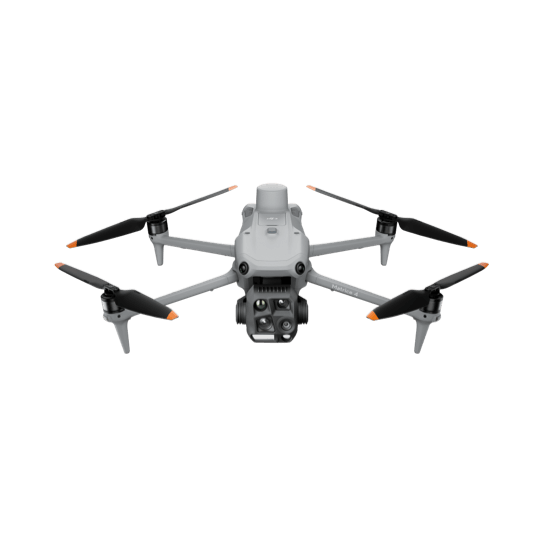
A single thermal capture of your asset tells you what it looks like on the day it was flown. A scheduled program tells you how it is changing over time. For asset management purposes, those are fundamentally different things.
A one-off thermal and RGB capture of a solar array or industrial facility produces a snapshot of current asset condition. Anomalies present on the day are identified, located, and documented. That dataset has immediate value - it tells you what exists now, where it is, and what your maintenance team needs to address.
For new assets within the first 12-18 months of operation, a single baseline capture is the starting point for everything that follows. Manufacturing defects and installation faults that are present at commissioning but not yet generating measurable performance loss are identified while still within warranty.
For assets where no prior thermal data exists, a single capture is the baseline. It has standalone value as a condition record, a warranty evidence document, and a maintenance planning input.
The value of scheduled monitoring is comparative. When you have a baseline to measure against, the question shifts from 'what anomalies are present' to 'what has changed since last time.'
New anomalies that did not exist in the previous dataset are immediately visible. Known anomalies that have been repaired are confirmed as resolved. Anomalies that were identified but not yet actioned can be tracked for progression - allowing your maintenance team to prioritise interventions based on rate of change rather than making decisions based on a single data point.
A developing hotspot may be present for months before it generates measurable string-level underperformance. A scheduled monitoring program identifies it early - when the cost of intervention is lower and the warranty position is more straightforward.
For industrial electrical infrastructure, thermal progression in a failing termination or connection follows a predictable pattern. A single capture tells you the component is running hot. A second capture six months later tells you whether it is getting hotter and at what rate.
A one-off capture is appropriate when you need a current condition record, when you are establishing a baseline for a new asset, or when you are responding to a specific concern about asset performance.
A scheduled program is appropriate when you are managing an asset over its operational life, when you have reporting obligations to investors or lenders that require regular condition evidence, or when your O&M strategy includes proactive fault identification rather than reactive response.
A one-off capture does not automatically become the start of a tracked record. If ongoing comparison is what you're after, that only happens once a Monitoring Program is in place - a later return visit without one starts fresh, not from the earlier baseline.
Every industry, one standard
Utility-scale solar, a commercial rooftop array, or a single roof - captured to the same standard and read by the same certified thermographer. Tell us what you're working with and we'll come back to you with what the data shows, not a generic quote.
We don't quote until we understand the site. Use the chat in the corner, or see what's included below.
Brisbane, Queensland
South East Queensland & Northern New South Wales
SkySpectra provides aerial thermal and RGB data capture services, including thermographic assessment of thermal imagery by an ITC Level 1 Certified Thermographer. This assessment identifies and classifies thermal anomalies but is not a structural, electrical, or engineering assessment, and does not constitute certification of any asset. Any decision regarding remediation, repair, or compliance must be made by an appropriately qualified professional engaged by the client.