A solar system underperforming, or a component failing early, is usually covered by warranty. Getting that warranty honoured is a different matter.
Most homeowners and small commercial operators go back to the same installer or maintenance provider who put the system in when something goes wrong. That provider then diagnoses the fault, and in many cases, decides whether it's covered.
This isn't a suggestion of dishonesty. It's a structural conflict. The party assessing the problem has a direct financial interest in the cause of that problem, and in how much work is required to fix it.
A finding of "installation defect" carries different cost and liability implications for that provider than a finding of "component degradation" or "normal wear." Whether or not it affects any individual assessment, it's the kind of conflict that manufacturers, insurers, and lenders are increasingly reluctant to accept at face value.
Warranty claims for solar components, particularly for panel-level faults like hotspots, bypass diode failures, or PID-affected modules, are strengthened by evidence that is independent of the party being asked to remediate or repay, georeferenced so a specific panel or component can be identified precisely, and attributable to a qualified assessment rather than just a photograph.
A thermal image on its own shows a temperature difference. It doesn't establish what that difference means, whether it falls inside or outside normal operating variation, or whether it points to a specific class of fault. That interpretation is what a certified thermographer provides, and it's the difference between a photo and an assessment a manufacturer or insurer can act on.
An independent capture, conducted by a party with no commercial relationship to your installer or O&M provider, produces a dated, georeferenced record of the asset's condition at the time of capture, anomalies identified and classified against known fault signatures rather than just flagged as hot, and a structured report that can go directly to your installer, your insurer, your lender, or the manufacturer, without needing to be commissioned or filtered by any of them first.
This doesn't replace the diagnostic work your installer or an electrician will still need to do to confirm root cause and carry out repairs. It gives everyone in that process a shared, unbiased starting point.
Thermal imaging identifies temperature differential. It doesn't determine root cause, and it isn't a substitute for an engineering or electrical assessment where one is required. If your claim needs a certified structural or electrical sign-off, that still comes from an appropriately qualified professional. What independent thermal data does is give that professional, and your insurer or manufacturer, a documented starting point that nobody involved had a hand in shaping.
Two things are worth doing before you engage anyone. Establish the date and condition of the fault independently, before remediation work begins, so there's a clean record of what existed and when. And ask whoever captures that record whether they have any commercial relationship with your installer, maintenance provider, or any repair contractor - if they do, ask what that means for how the finding will be used.
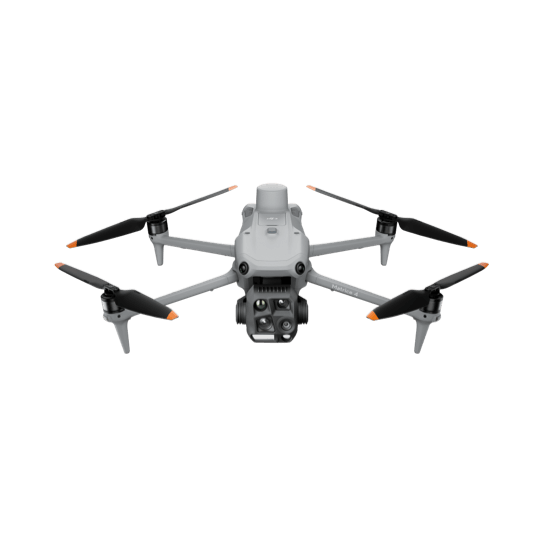
An independent aerial thermal capture, delivered as a structured report with GPS-located findings, is designed to answer both.
Every industry, one standard
Utility-scale solar, a commercial rooftop array, or a single roof - captured to the same standard and read by the same certified thermographer. Tell us what you're working with and we'll come back to you with what the data shows, not a generic quote.
We don't quote until we understand the site. Use the chat in the corner, or see what's included below.
Brisbane, Queensland
South East Queensland & Northern New South Wales
SkySpectra provides aerial thermal and RGB data capture services, including thermographic assessment of thermal imagery by an ITC Level 1 Certified Thermographer. This assessment identifies and classifies thermal anomalies but is not a structural, electrical, or engineering assessment, and does not constitute certification of any asset. Any decision regarding remediation, repair, or compliance must be made by an appropriately qualified professional engaged by the client.